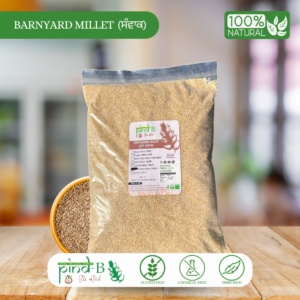
Barnyard Millet Swank is a gift from nature for modern mankind who is engaged in sedentary activities. It is a good source of protein, which is highly digestible, and is an excellent source of dietary fiber with a good amount of soluble and insoluble fractions.
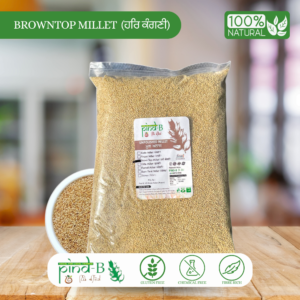
Browntop millet is also called Korale millet, in Punjabi called Hari Kangni ((ਹਰੀ ਕੰਗਣੀ))is experiencing immense popularity in the Indian market due to its nutritional benefits and capacity to adapt to changing climate. Browntop millet, in addition to being gluten-free, is also high in protein as well as fiber, and minerals.
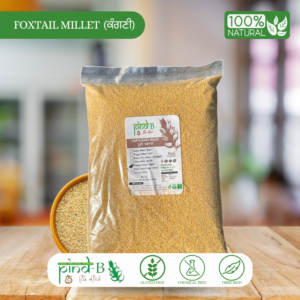
Foxtail millet or Setaria italica is among the most commonly planted millets. It is a significant species found in East Asia and has been cultivated in India from the beginning of time. It was a common diet for people who live in semi-arid or arid areas that comprise India. This plant can be a significant contributor to local nutritional value in areas of dryland in India.
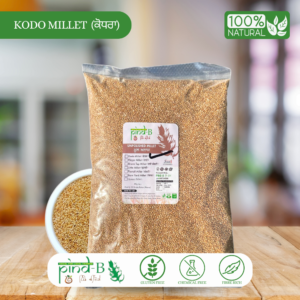
Kodo millet is a tiny grain of cereal that is a seed and is one of the oldest cultivable crops in India. Recently the Kodo millet species-along with other millet species-have experienced an enormous decrease in the area of production. Because of the increased popularity of other cereals that are staples (mainly wheat and rice). Millet is receiving new interest in research as a means of managing risk and adapting to climate change for farmers.
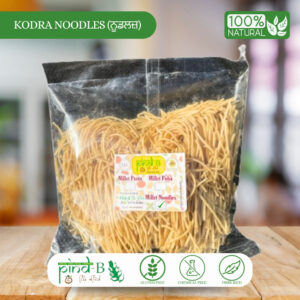
Kodra pasta is a type of pasta made from Kodo millet. Kodo millet is also known as varagu, harka, arikelu, and koovaragu. It is a gluten-free Indian superfood that is high in nutrients.
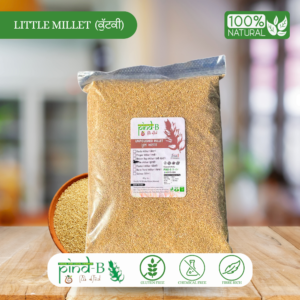
Kutki millet is especially rich in sulfur-rich amino acids Cysteine and Methionine. It generally has a more balanced amino acid composition than most cereals.Kutki millet is particularly abundant in iron, it is also a good source of carotene as well as zinc.